
More than Myofascial Release: An Integrated Approach to Fascia
Discover how fascial massage, myofascial release, scar work, cupping, Graston Technique, abdominal fascia work, shockwave, and laser support movement.
Pain rarely exists in isolation. A shoulder may feel restricted because the rib cage is not moving well. An old abdominal scar may affect how the trunk rotates. Persistent hip tension may be connected to the way the feet, pelvis, spine, and breath work together.
This is why my Signature Fascial Integration Treatment looks beyond the location of discomfort and considers the body as an interconnected system.
This highly customized approach combines fascial massage, myofascial release, musculoskeletal and soft-tissue therapy, targeted abdominal fascia work, and movement-based assessment. Depending on your needs, I may also incorporate ScarWork Integration, cupping therapy, Graston Technique®, fascial stretching, OmniWave™ shockwave, or high-intensity laser.
The goal is not to force the body into a predetermined shape. Instead, the work is designed to help reduce unnecessary tension, improve mobility, support more balanced movement, and address the areas that may be contributing to pain or restriction.
What Is Fascia?
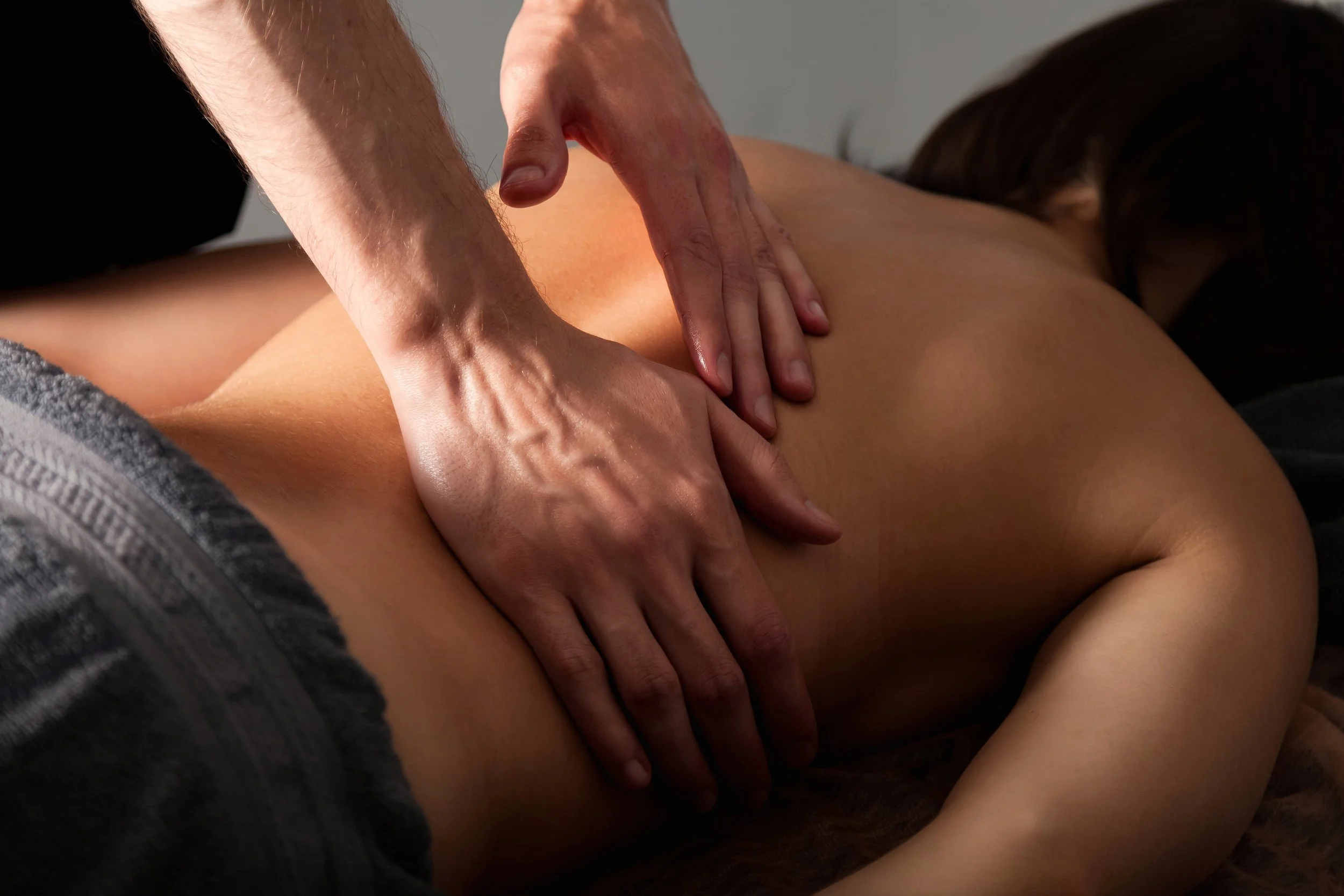
Fascia is connective tissue that surrounds, supports, separates, and links structures throughout the body. It exists beneath the skin, around and within muscles, around bones and joints, along nerves and blood vessels, and around the organs.
Rather than being simple packing material, fascia is a layered, body-wide network that helps tissues transmit load while allowing them to move and slide relative to one another. Fascia is also richly innervated, with sensory and pain-related nerve endings that may contribute to proprioception, movement awareness, and some musculoskeletal pain experiences.
The fascial system is continuous, but that does not mean every symptom has a single fascial cause. Pain can be influenced by the nervous system, sleep, stress, inflammation, injury history, strength, movement habits, and medical conditions. Effective fascia work respects this complexity.
Why Whole-Body Fascia Work Matters
Traditional massage often focuses primarily on the muscles that hurt. While this can be helpful, recurring symptoms sometimes call for a broader perspective.
During a Signature Fascial Integration session, I assess more than the tender spot. I look at posture, breathing mechanics, tissue glide, joint movement, previous injuries, surgical history, and how different regions relate to one another.
Treatment may involve the feet and legs, pelvis, rib cage, spine, shoulders, neck, abdomen, or scar tissue, even when the primary complaint seems localized.
This is what distinguishes fascial integration from a routine massage: rather than following a standardized sequence, the session follows the relationships within your body.
What May Be Included in Your Fascial Integration Treatment
Myofascial Release and Soft-Tissue Therapy
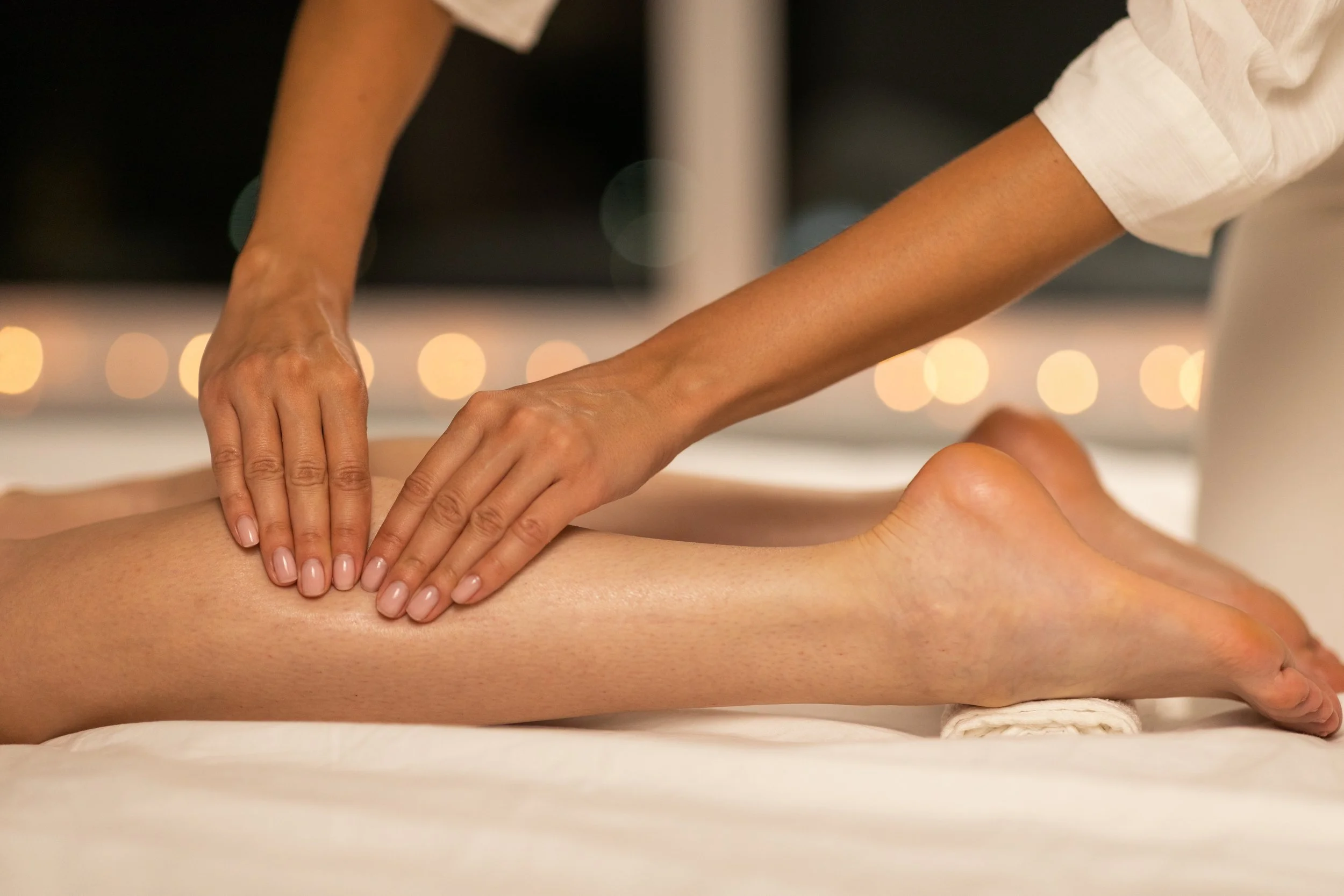
Myofascial release uses sustained pressure, gentle traction, lifting, stretching, and slow tissue engagement. The pace allows me to feel how the tissue responds rather than simply pushing through resistance. I may combine this with focused musculoskeletal techniques for muscles, tendons, and surrounding connective tissue.
Myofascial release can improve pain or range of motion for some people and conditions. I use it as a complement to a broader treatment strategy.
Abdominal and Organ-Related Fascial Work
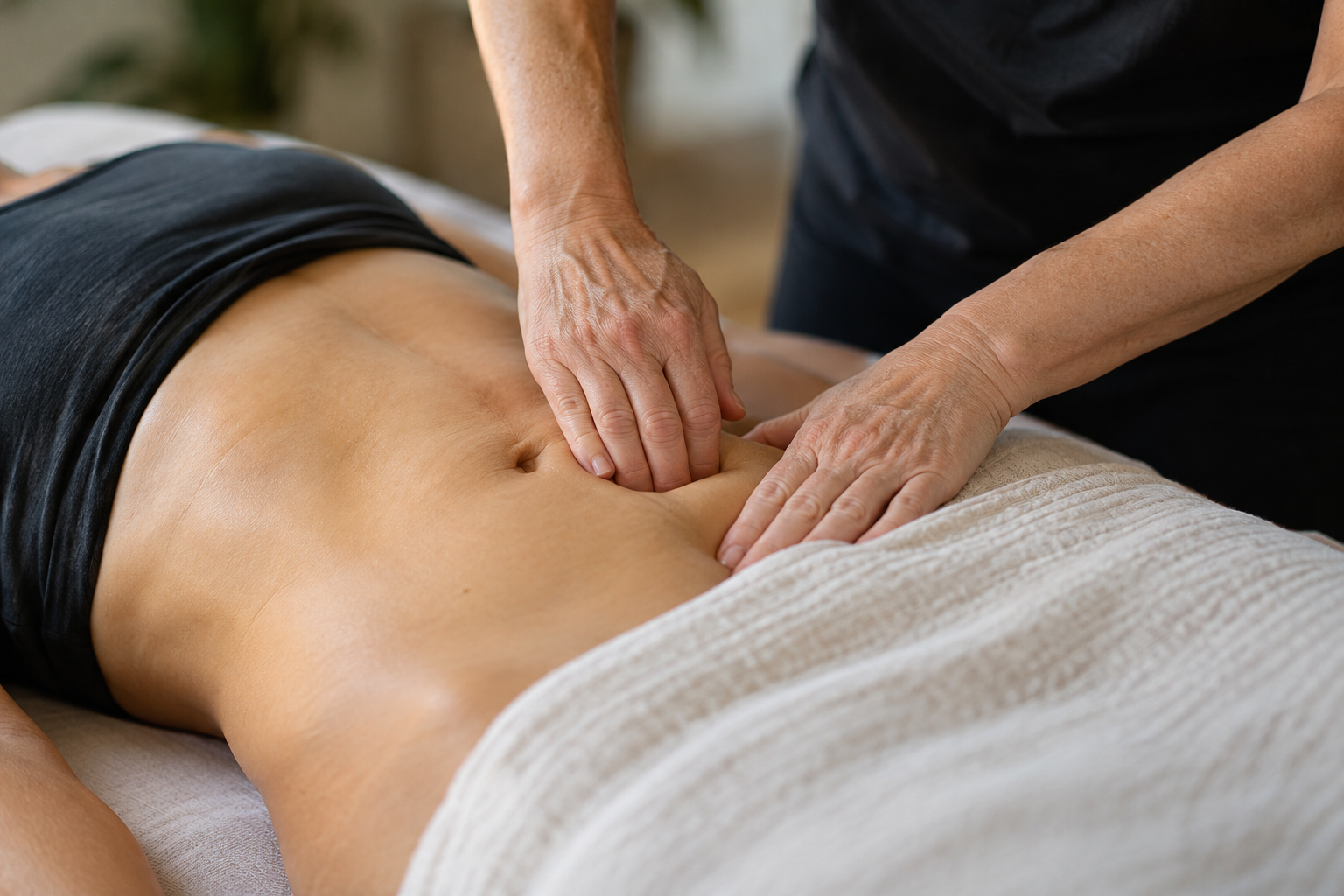
The organs are supported and connected by visceral fascia, ligaments, membranes, and other connective tissues within the abdomen and pelvis. Breathing, trunk rotation, surgery, guarding, and changes in abdominal wall mobility can influence how these tissues move in relation to one another.
When appropriate, I use gentle, externally applied abdominal fascial treatment to assess and address areas of tension around the abdominal wall and organ-related fascial attachments. This may be incorporated to support breathing mechanics, trunk mobility, scar comfort, and the relationship between the abdomen, diaphragm, rib cage, pelvis, and spine.
ScarWork Integration
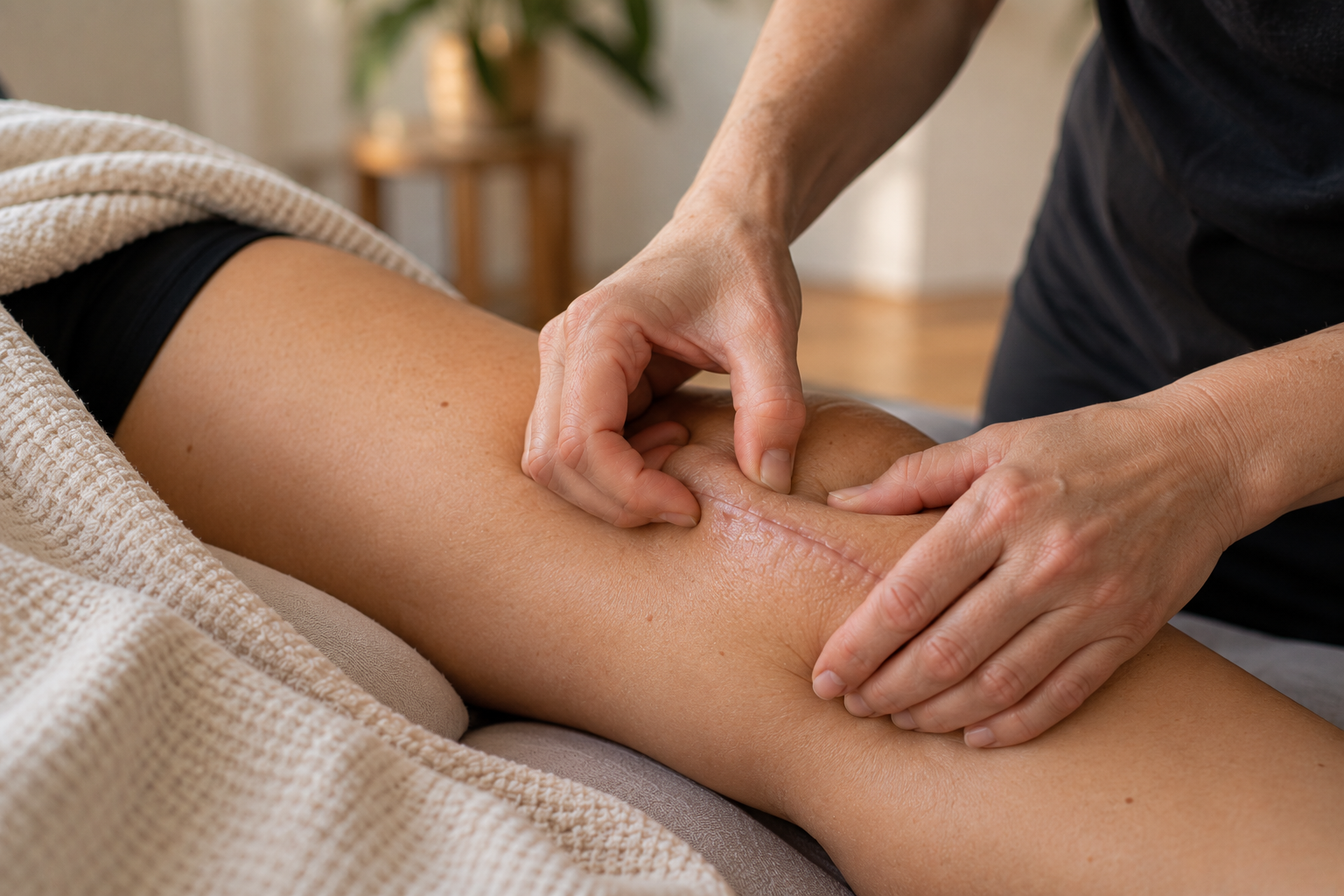
A scar is more than the line visible on the skin. Healing involves multiple tissue layers, and a scar may feel tight, sensitive, numb, thickened, or restricted compared with the surrounding area. Scars can also influence how someone protects, loads, or moves a region.
ScarWork Integration uses gentle, specific contact around and within fully healed scars to encourage comfort, mobility, and better movement between tissue layers.
I do not aggressively scrape or attempt to “break up” scar tissue. Techniques may include light skin rolling, cross-directional movement, lifting, stretching, and integration with surrounding fascial patterns.
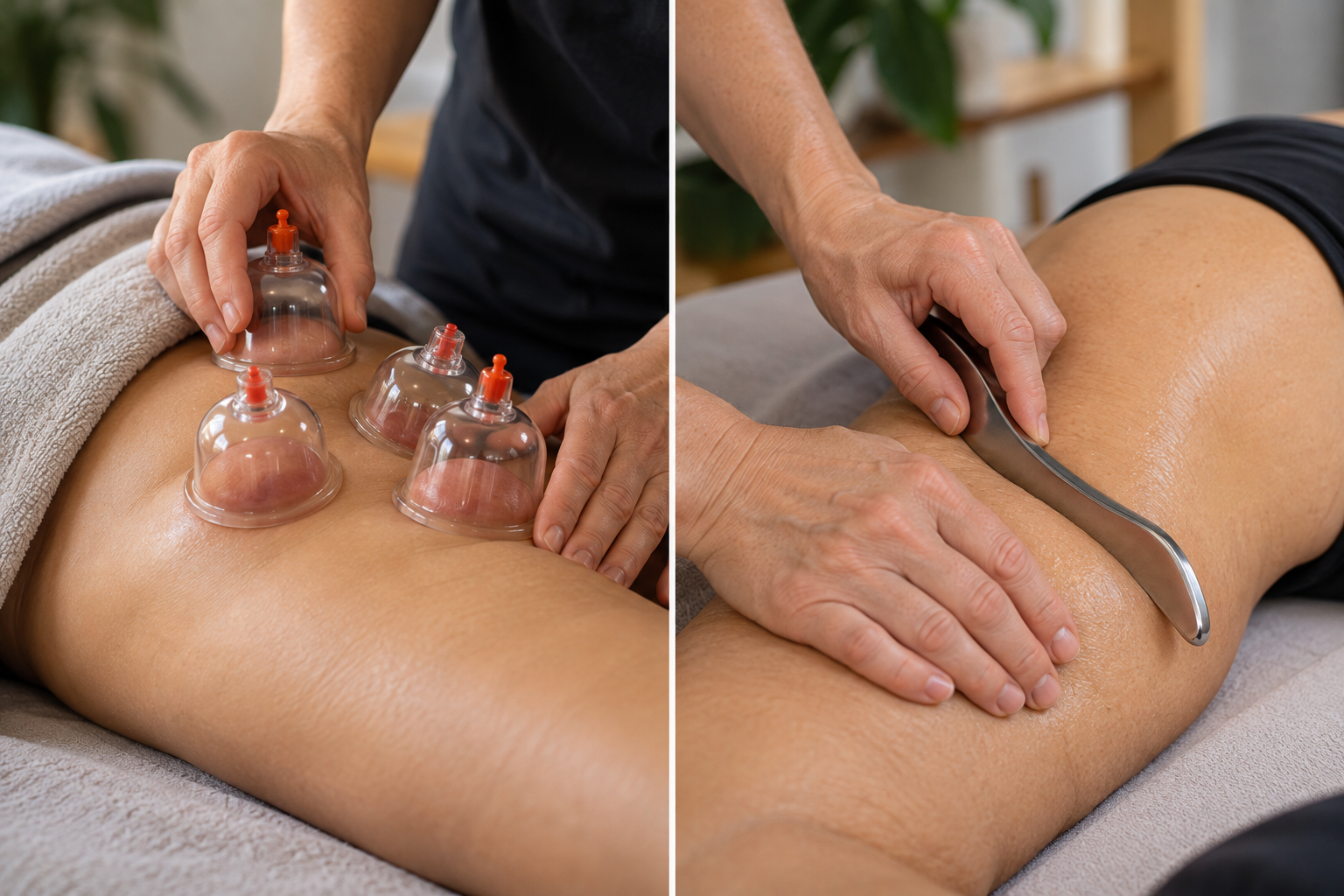
Cupping and Instrument-Assisted Fascia Work
Cupping uses negative pressure to lift the skin and superficial tissues rather than compressing them downward. Cups may be placed briefly, glided across the tissue, or used alongside active movement to provide a different sensory and mechanical input to a targeted area. Research suggests cupping may provide pain relief for some musculoskeletal conditions.
Graston Technique® is a form of instrument-assisted soft-tissue mobilization. Specialized tools allow me to apply precise pressure and glide along a selected area while receiving tactile feedback from the tissue. I may use an instrument around a healed scar, tendon, muscle attachment, or region with limited soft-tissue mobility, then integrate that area with hands-on work and movement. The purpose is not to damage tissue or mechanically “scrape away” adhesions. The tool provides a controlled mechanical and sensory stimulus. Research suggests instrument-assisted techniques may improve joint range of motion.
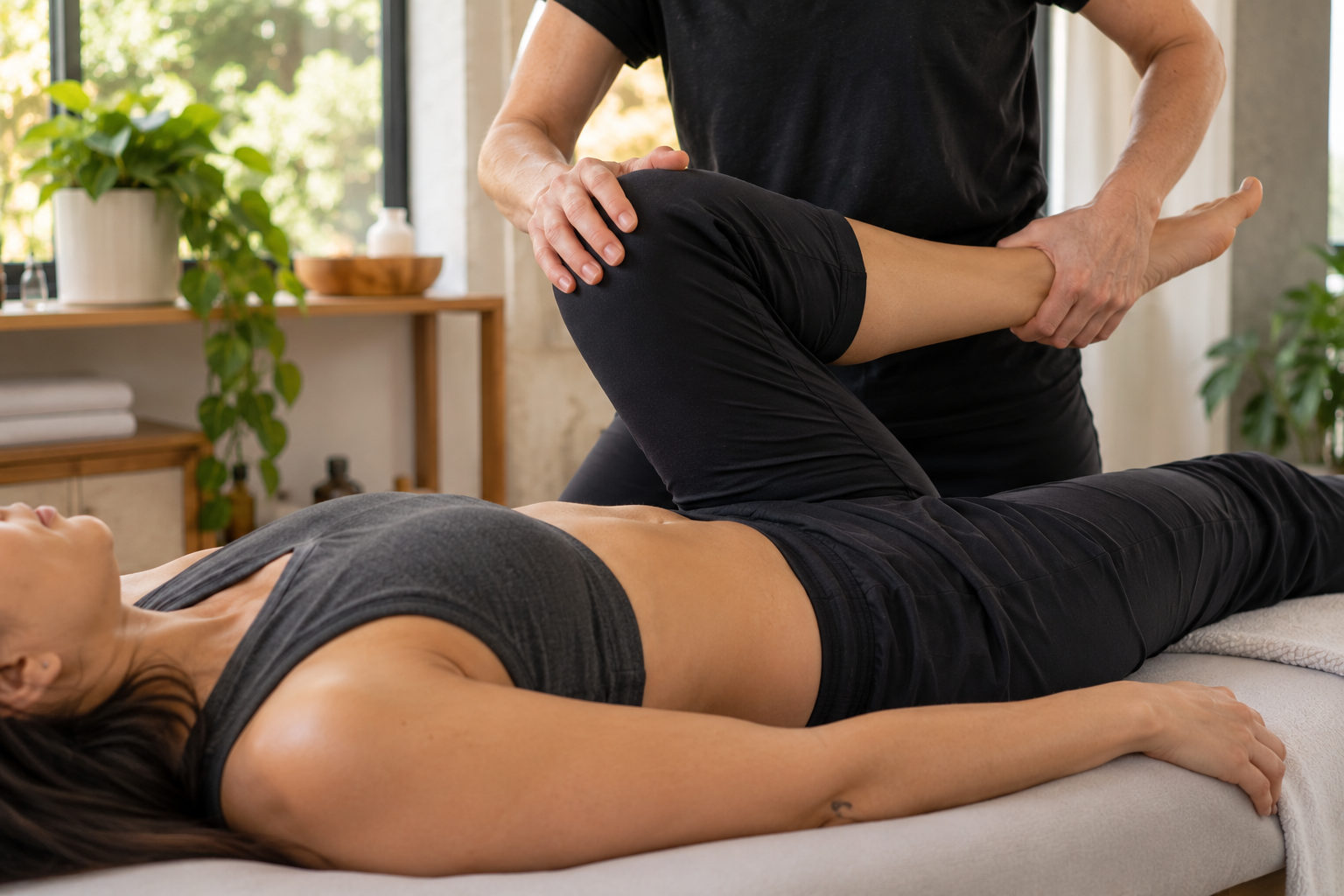
Fascial Stretching and Movement Integration
Fascia work is most useful when the nervous system and movement pattern can incorporate the change. Assisted fascial stretching, breathing, joint movement, or simple movement education may be incorporated into the session to help you explore a new range with control.
I may also recommend brief movements between visits to help reinforce what we worked on during the session.
Targeted Technology When It Adds Value
Hands-on treatment remains the foundation of Signature Fascial Integration. For selected areas, OmniWave™ shockwave and high-intensity laser are available as additional treatment options.
These technologies are not automatically added to every session. They are used when the tissue, condition, and treatment goals suggest that a more concentrated modality may be helpful.
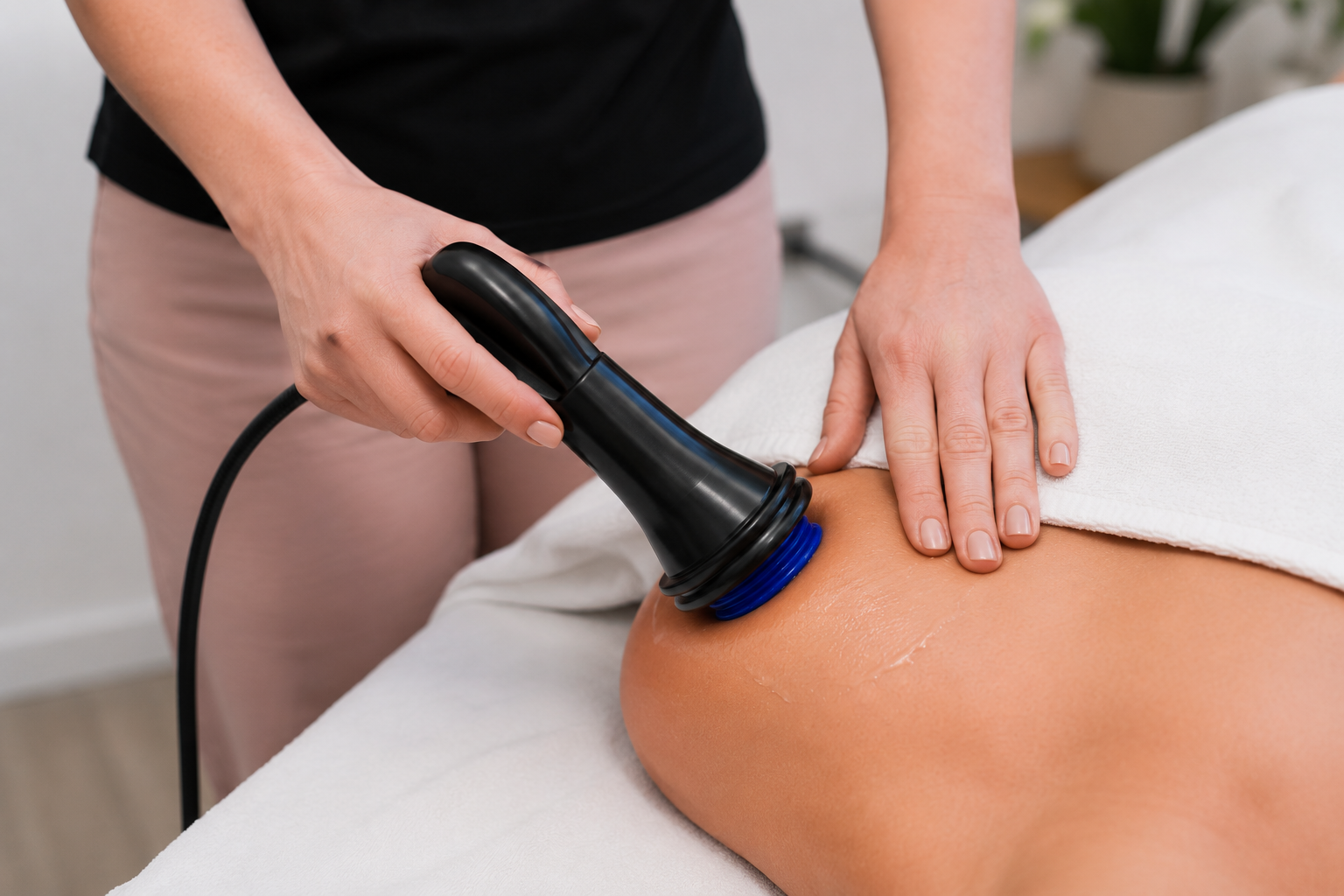
OmniWave™ Shockwave Therapy
Shockwave therapy delivers acoustic pressure waves into a targeted region. Despite the name, it is not an electrical shock. It has been studied for stubborn tendon and soft-tissue conditions such as plantar heel pain, certain tendinopathies, and calcific shoulder conditions.
Benefits include changes in pain signaling and local biological responses associated with tissue remodeling and recovery.
When appropriate, I may use shockwave to focus on a persistent, well-defined area and then integrate the surrounding fascial and movement relationships manually.
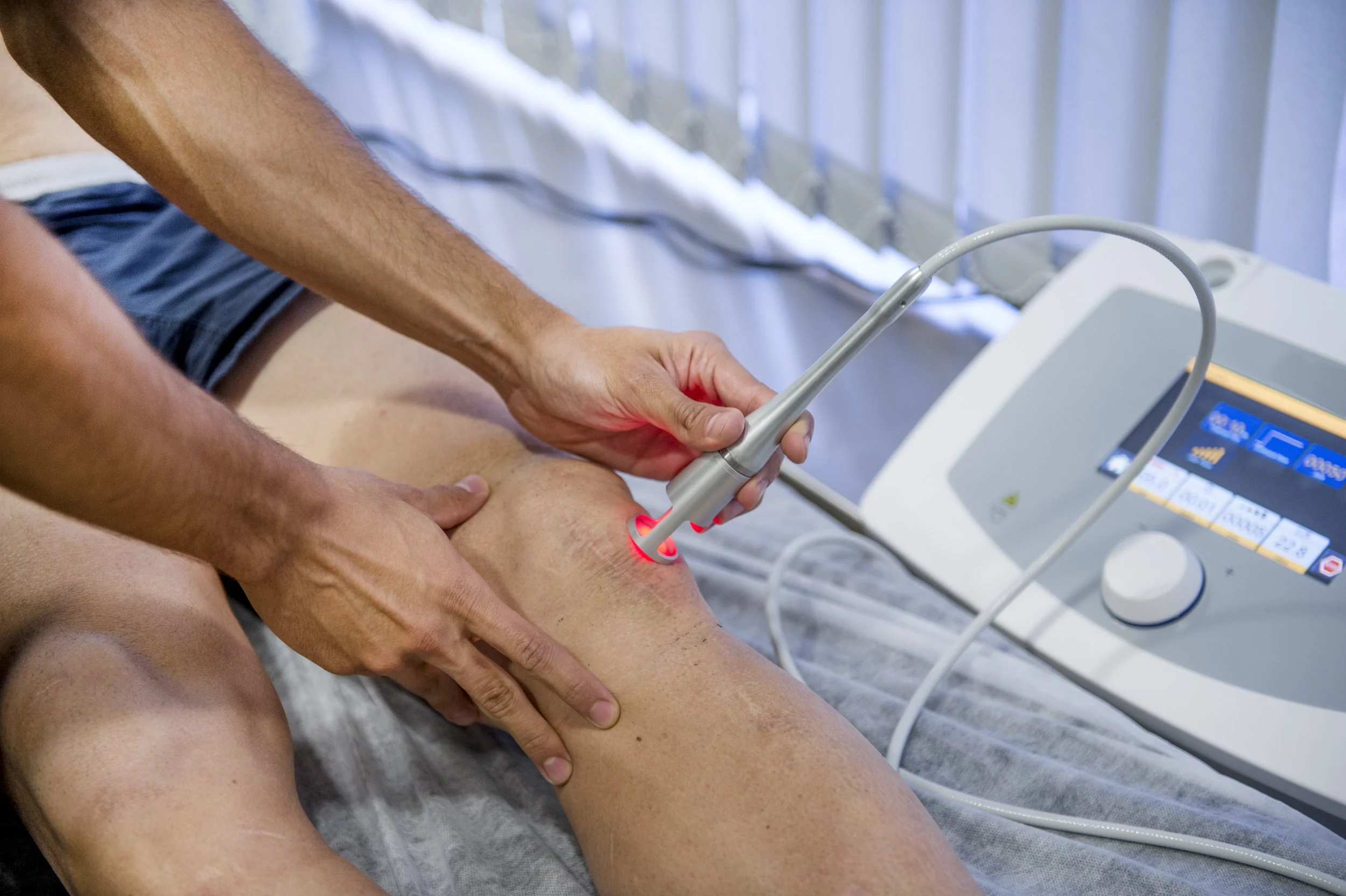
High-Intensity Laser Therapy
High-intensity laser therapy delivers therapeutic light energy to a targeted region. It is used as a noninvasive adjunct with the goal of modulating pain, supporting local circulation and cellular activity, and improving function while tissue recovers.
This therapy can be used for pain relief and to improvde function in several musculoskeletal conditions,
Within a fascial integration plan, it can provide focused treatment to a specific symptomatic area while hands-on work addresses the broader system.
What Does Fascial Integration Feel Like?
Signature Fascial Integration is typically slower and more intentional than a traditional massage. Rather than moving quickly from one muscle group to the next, I make contact with a specific layer or area, apply pressure gradually, and pause long enough to feel how your tissue and nervous system respond.
The sensations can vary throughout the same session. You may experience broad, steady pressure, a gentle stretching or lifting sensation, warmth, increased awareness, or a feeling that movement is becoming easier. At times, working in one area may create a sensation or change somewhere else because tissues and movement patterns are interconnected.
Pressure is always individualized. Deeper is not automatically better, and effective fascia work does not need to feel aggressive. I adjust the depth, angle, speed, and technique according to your goals, health history, tissue sensitivity, and feedback that day.
The session may be quiet and deeply relaxing, or it may include breathing, small movements, stretching, or changes in position so we can observe how an area responds in motion.
How Movement Shapes My Fascial Work
Movement is an important part of how I approach fascial work. Rather than only working on the body while you are lying still, I may observe how you stand, breathe, walk, rotate, or move through a particular range of motion. These observations help me understand how different areas of the body are working together and are a huge part of my practice.
I may combine hands-on myofascial release with guided movement, breathing, stretching, or changes in position to see how the body responds. The goal is to help the nervous system and movement patterns incorporate changes from the hands-on work, while using movement to guide what we address next. I may also recommend simple movements between sessions to reinforce what we explored during treatment.
A Clinical and Personalized Approach to Fascia Work in Los Angeles
As a Certified Rolfer® and manual therapist with more than 30 years of experience, I approach the body as an integrated system. My work draws from structural integration, myofascial and musculoskeletal therapy, advanced visceral and abdominal training, scar work, and movement education.
The result is neither a spa massage nor a rigid protocol. It is a thoughtful treatment built around your history, your structure, your nervous system, and your goals.
If you are looking for fascial massage or customized fascia work in Los Angeles, Playa Vista, or Manhattan Beach, Signature Fascial Integration offers a comprehensive approach to pain, mobility, and whole-body movement.
Schedule a Signature Fascial Integration Treatment to explore a more connected approach to your body and movement.
Who May Benefit From Fascial Massage?
Signature Fascial Integration may be appropriate for people experiencing:
Persistent muscular or myofascial pain
Restricted movement or stiffness
Postural or movement imbalances
Tension related to repetitive work, training, or athletic activity
Fully healed surgical or injury-related scars
Abdominal wall or rib-cage restriction after medical clearance
Recurring problems that have not responded to treating only the painful area
Fascial massage is not appropriate for every condition. Acute injury, infection, blood-clot risk, unhealed incisions, certain vascular conditions, active cancer treatment, pregnancy-related considerations, implanted devices, or other medical concerns may require modification, medical clearance, or referral.
When appropriate, I also collaborate with physicians, physical therapists, acupuncturists, chiropractors, trainers, and other healthcare professionals as part of a coordinated approach.
Frequently Asked Questions
Q: What is Fascial Integration?
A: Fascial Integration is a customized form of bodywork that looks beyond the area of pain or restriction and considers how different parts of the body relate to one another. Treatment may incorporate fascial massage, myofascial release, movement assessment, scar work, cupping, Graston Technique®, abdominal fascia work, and other techniques depending on your needs.
Q: Is Fascial Integration the same as a regular massage?
A: Not quite. While massage may focus primarily on relaxing or working specific muscles, Fascial Integration takes a broader approach. The session considers posture, breathing, tissue mobility, previous injuries or surgeries, movement patterns, and relationships between different areas of the body.
Q: What does Fascial Integration feel like?
A: The experience varies depending on the techniques used and the individual. You may feel steady pressure, gentle stretching or lifting, warmth, softening, increased awareness, or changes in how easily you move. Pressure is always individualized, and deeper is not necessarily better.
Q: Can other techniques be included during my session?
A: Yes. When appropriate, cupping therapy, Graston Technique®, fascial stretching, ScarWork Integration, and abdominal fascial treatment may be incorporated into the session at no additional cost. OmniWave™ shockwave and high-intensity laser are also available as optional targeted treatments for selected areas.
Q: Can Fascial Integration help with an old scar?
A: It may be appropriate for fully healed surgical or injury-related scars that feel tight, sensitive, numb, thickened, or restricted. ScarWork Integration uses gentle techniques to work with the scar and surrounding tissue. The appropriate approach depends on the scar, its healing stage, symptoms, and medical history.
Quick Summary
Fascial Integration takes a whole-body approach rather than focusing only on the area where pain is felt.
Fascia is a body-wide connective-tissue network with structural, mechanical, and sensory roles.
Treatment may include myofascial release, soft-tissue therapy, abdominal fascia work, ScarWork Integration, cupping, Graston Technique®, fascial stretching, and movement integration.
Techniques are selected based on your symptoms, movement patterns, health history, tissue response, and individual goals.
Cupping and instrument-assisted techniques can provide different mechanical and sensory inputs, while fascial stretching and movement help the body incorporate changes with greater control.
OmniWave™ shockwave and high-intensity laser may be used as optional, targeted treatments when appropriate.
Fascial Integration is not based on the idea that every symptom has a single fascial cause. Pain and movement are influenced by many factors, including the nervous system, stress, sleep, injury history, strength, and movement habits.
