
Beyond Massage: How a Whole-Body Approach Helps Provide Lasting Pain Relief
Massage can be deeply relaxing and incredibly beneficial. It reduces muscle tension, improves circulation, and can calm the nervous system. For many people, it provides much-needed relief from the physical stress of daily life.
But sometimes that relief doesn’t last.
If you’ve ever felt better for a few days only to have the same tightness return to your neck, shoulders, jaw, or lower back, you’re not alone. This is often the difference between working on symptoms and addressing the underlying cause.
That’s where a whole-body approach becomes such a powerful tool to add on to massage therapy, and why we utilize this approach in our Los Angeles-based practice.
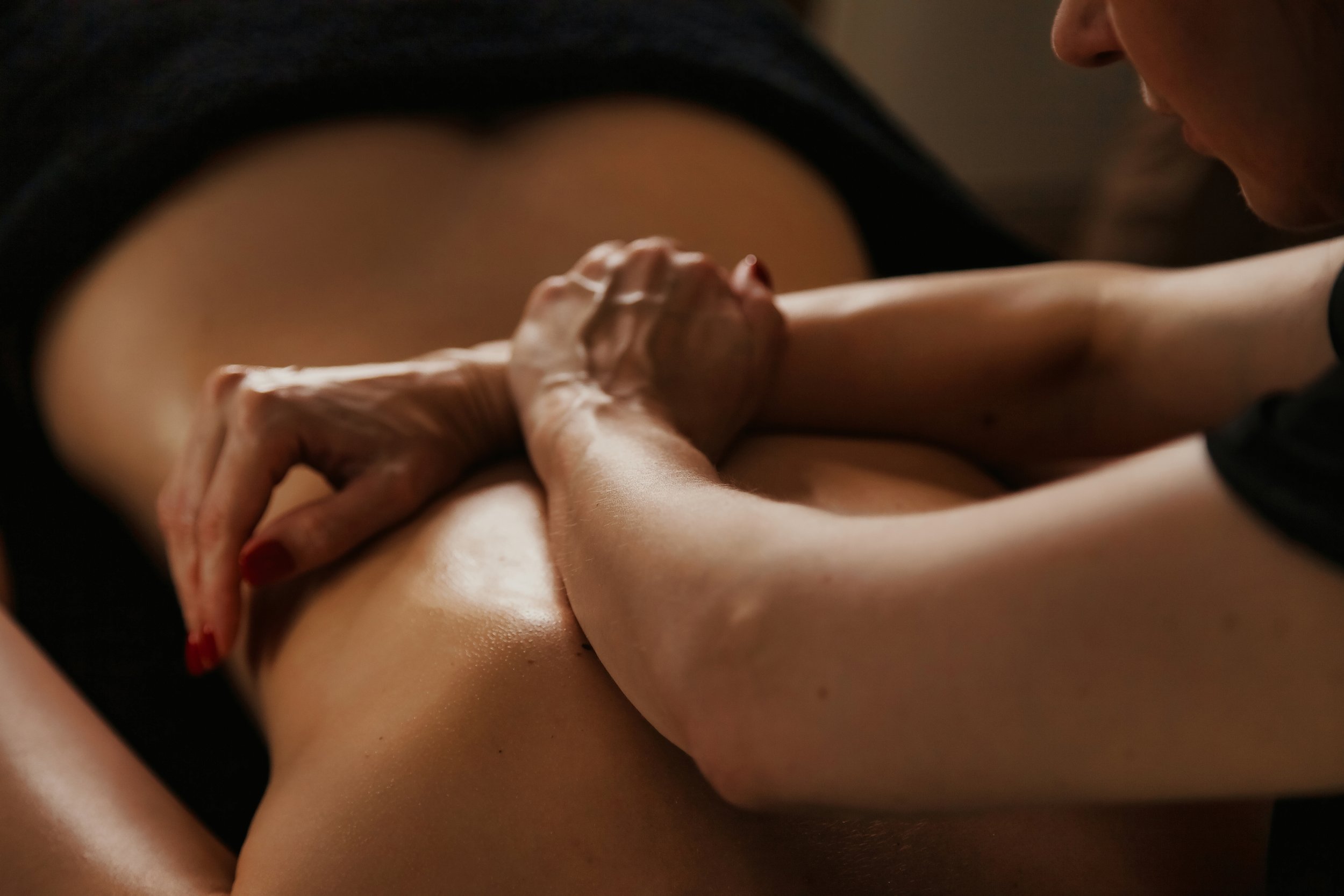
Learn about the various ways you can expand upon massage therapy for long-lasting relief
Looking Beyond Muscle Tension
Traditional massage primarily focuses on muscles with kneading, compressing, and lengthening tissue to reduce tightness. While this can feel great and absolutely has value, chronic tension patterns are rarely just muscular.
The body adapts to how we sit, stand, breathe, move, and respond to stress. Over time, these patterns become embedded not just in muscle, but in fascia, which is the connective tissue system that organizes the entire body.
When we only address muscle tension, the body often returns to its familiar structural habits.
A whole-body work approach helps to identify the root-causes of pain and adopt a broader view. Instead of chasing symptoms, it asks why those symptoms keep returning.
What is Fascia, and Why Does it Matter for Long-Term Results?
Fascia surrounds and interconnects muscles, bones, and organs. It distributes force, maintains structural relationships, and adapts to repeated stress. Addressing your fascia is a critical component of root-cause bodywork.
When fascia becomes restricted or densified, it can alter structural alignment and movement efficiency. This may show up as recurring tightness, limited mobility, or compensatory strain in other areas of the body.
Rather than working locally where discomfort appears, root-cause bodywork considers how the entire system, including your fascia, is organizing.
For example:
Chronic neck tension may relate to ribcage restriction
Low back discomfort may be connected to pelvic positioning
Jaw tightness may reflect broader stress-related tension patterns
By working with the connective tissue system, we aim to create changes that the body can maintain more sustainably.
Strengthening the Foundation
Beyond the immediate relief offered by therapeutic massage, integrating movement and targeted exercises into your routine is essential for maintaining lasting results.
Strengthening muscles around treated areas not only helps maintain alignment, but also supports long-term structural balance in the body.
According to Davis’s Law, soft tissues adapt to the stresses applied to them. By intentionally loading and moving the body in safe ways, you encourage fascia and muscles to organize efficiently, reducing the likelihood of recurring tension or discomfort.
Recommended Practices for a Strong Foundation
1. Core Engagement and Stability
Gentle Pilates-inspired exercises focusing on deep abdominal muscles
Stabilization work for the spine to maintain posture improvements from bodywork
2. Targeted Strengthening for Treated Areas
Shoulder blade squeezes to support neck and upper back alignment
Hip bridges to reinforce pelvic stability
Neck and jaw mobility exercises after craniosacral or fascia-focused sessions
3. Fascia-Supporting Movement
Dynamic stretching to maintain tissue elasticity
Foam rolling or myofascial release techniques at home
Breath-focused exercises to connect fascia and nervous system regulation
4. Mindful Integration into Daily Life
Standing and sitting posture awareness
Alternating prolonged positions with gentle movement breaks
Using ergonomic supports (chairs, cushions, or mats) to maintain alignment
These practices are a vital part of a whole-body approach to pain relief, and help clients create a cycle of improvement.

Tip: Keep routines simple, consistent, and focused on quality of movement rather than intensity. Small, intentional actions often yield the most sustainable results.
Utilizing Varieties of Massage for Optimal Results
Different types of massage cater to specific needs. Exploring various specialities can aid in your healing journey:
Deep Tissue Massage: Targets deeper muscle layers and fascial tissue for structural improvement.
Hot Stone Massage: Combines heat with therapeutic touch for deep relaxation.
Shiatsu: Utilizes acupressure to stimulate the nervous system and promote balance.
Lymphatic Drainage: Encourages detoxification and reduces swelling.
These modalities, often enhanced with aromatherapy using essential oils, address specific areas to stimulate healing and improve overall health conditions.
Enhancements and Self-Care Between Sessions
Bodywork can be enriched with complementary services such as craniosacral therapy, aromatherapy, reflexology, and restorative skin care, supporting relaxation and nervous system regulation alongside structural work.
For ongoing self-care, practices like foam rolling, dynamic stretching, breathwork, and fascia-focused movement help maintain progress between sessions and reinforce the benefits of a whole-body approach to pain.
Consistent care, education, and mindful movement together create the conditions for lasting change.
Who This Is For
This integrative approach may be especially helpful if you:
Experience recurring tension that keeps returning after massage
Live with chronic neck, jaw, or low-back discomfort
Feel stress stored in your posture or breathing patterns
Want long-term structural improvement—not just temporary relief
Are seeking fascia-focused bodywork in Los Angeles
Want Support with a Whole-Body Approach to Pain in Los Angeles?
At Rolfing and Body Therapies, our team of Certified Rolfers® and CAMTC-certified massage therapists in Los Angeles offers an integrative, fascia-focused approach to pain relief. We combine evidence-informed techniques with a collaborative care model, ensuring each session addresses root causes while supporting the nervous system and overall movement efficiency. With multiple locations in Playa Vista, Santa Monica, and Manhattan Beach, we provide accessible, professional, and personalized care for lasting structural alignment, pain reduction, and holistic wellness.
Frequently Asked Questions
Q: How is a whole-body approach different from regular massage?
A: It looks beyond local muscle tension to address fascia, posture, movement, and nervous system patterns that contribute to recurring pain.
Q: How many sessions are typically needed?
A: This varies by individual, but lasting change usually occurs through a series of sessions combined with movement integration.
Q: Can this help chronic stress or jaw tension?
A: Yes. Many tension patterns relate to stress, breathing, and nervous system regulation—not just muscles.
Q: Is this approach suitable for athletes or active individuals?
A: Absolutely. It supports recovery, alignment, and efficient movement.
Quick Summary
Massage can relieve tension, but recurring pain often reflects deeper structural and fascial patterns.
A whole-body approach to pain looks at posture, movement, fascia, and nervous system regulation—not just muscles.
Integrating bodywork with strengthening, breathwork, and daily movement helps results last longer.
Combining multiple therapeutic modalities supports recovery, alignment, and long-term comfort.
Sustainable relief comes from addressing root causes, creating lasting change rather than temporary relief.
