
Sleep Hygiene for Jaw Tension Relief | Los Angeles
Learn about Jaw Tension Relief, Nervous System Regulation, Bruxism, and Find Support in Playa Vista, Santa Monica & Manhattan Beach
Night-time jaw clenching is closely linked to sleep quality and nervous system regulation. Many people seeking jaw tension relief don’t realize clenching reflects how the body processes stress during sleep.
Research shows that jaw clenching, also known as sleep-related bruxism, often occurs during brief micro-arousals, which are moments when the nervous system partially wakes due to stress, breathing changes, or sensory stimulation. Improving sleep hygiene supports parasympathetic activation and helps reduce these arousals, giving the jaw and nervous system fewer reasons to activate.
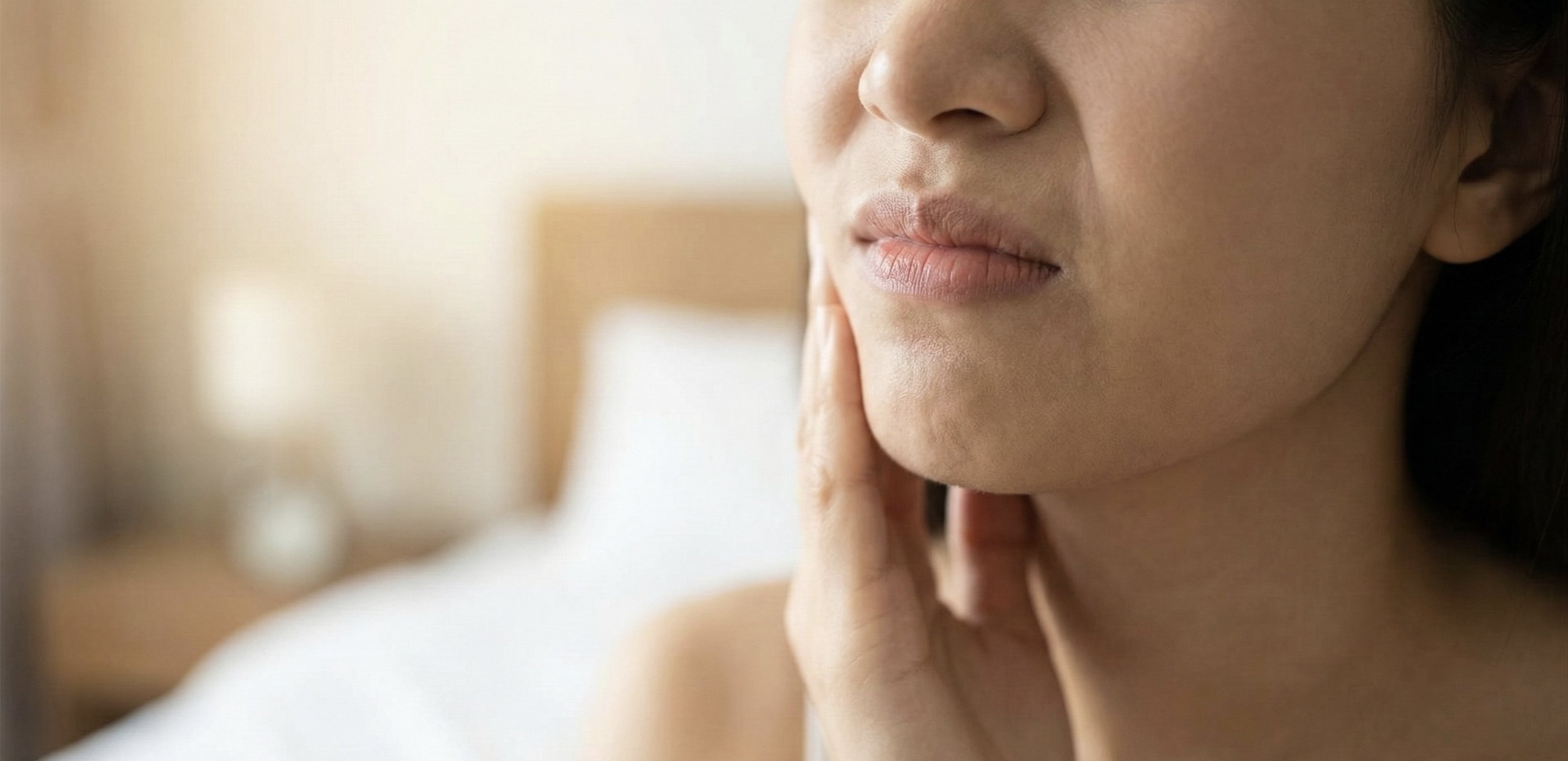
~15% of adults suffer from sleep-related bruxism.
Why Jaw Tension Happens: Sleep, Nervous System & Bruxism
• Jaw clenching(Sleep-related Bruxism) commonly occurs during sleep disruptions, not deep sleep
• Poor sleep quality increases nervous system vigilance
• Breathing disturbances and sensory overload raise muscle tone at night
• Calming the nervous system before bed reduces nighttime muscle activity
Supporting your nervous system for better sleep is one of the most effective ways to reduce jaw clenching intensity.
Support Nervous System Regulation Before Bed
Jaw clenching is often a sign that the nervous system is staying alert during sleep. Gentle calming practices before bed help signal safety, support parasympathetic activation, and reduce nighttime vigilance.
Weighted Diaphragmatic Breathing (5–10 minutes):
• Place a light weight or folded blanket on the ribs or abdomen
• Breathe slowly through the nose
• Let the exhale be longer than the inhale
This sends calming signals to the nervous system and supports deeper sleep.
Sleep Hygiene Tips for Better Rest
Temperature:
• Keep the bedroom slightly cool (60–67°F)
• Avoid overheating, which can increase restlessness
Lighting:
• Dim lights 30–60 minutes before bed
• Avoid bright overhead or blue light in the evening
Sensory Input:
• Reduce noise and visual stimulation
• Consider a sleep eye mask to limit light and calm facial muscles
These simple habits support nervous system regulation and jaw tension relief, without requiring complex interventions.
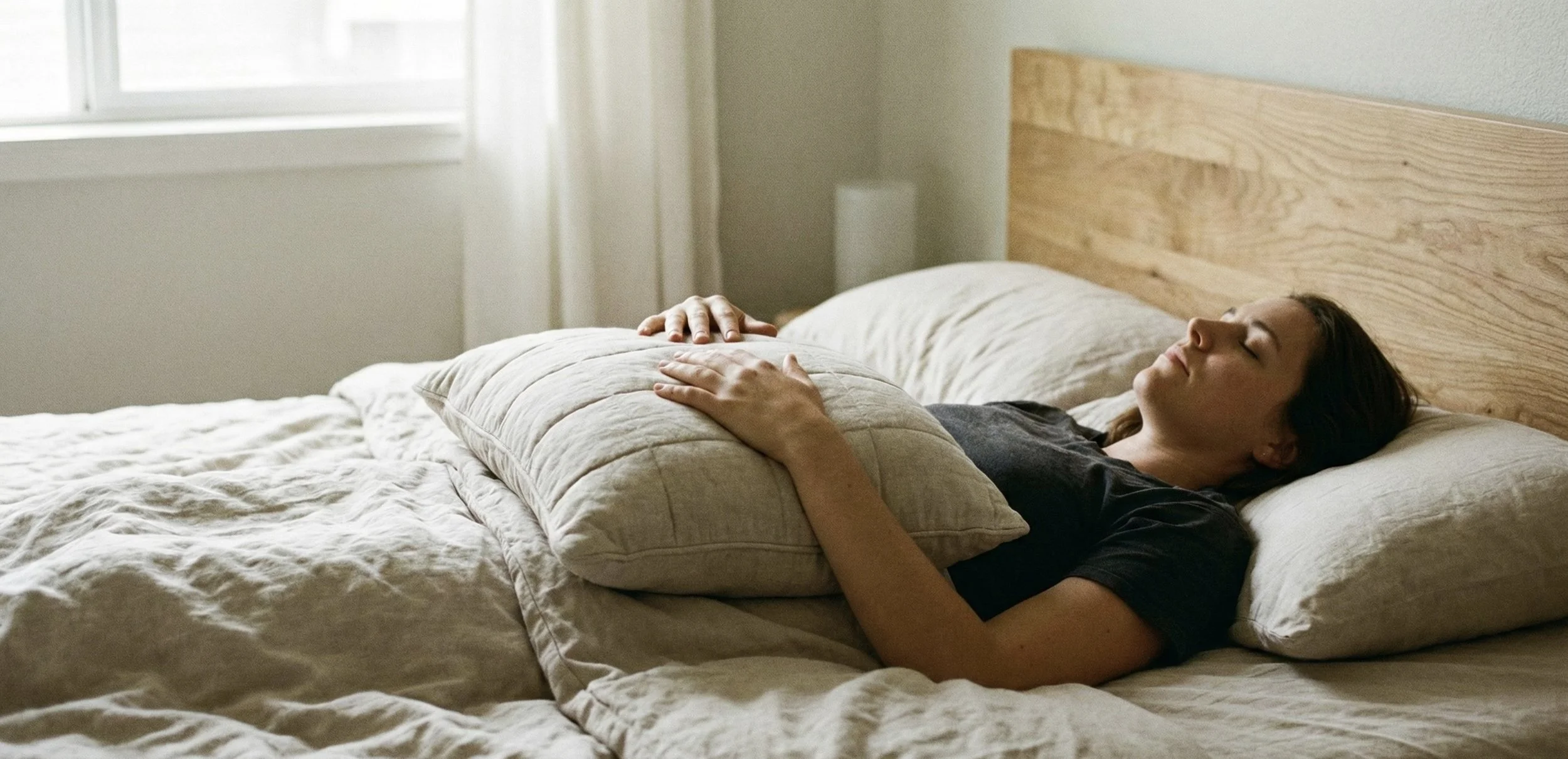
Make sure to close your curtains!
Helpful Tools & Devices to Support Better Sleep
• Sleep eye masks or gentle facial weight
• Weighted blankets (light to moderate weight)
• Vagus nerve–supportive tools (gentle vibration, humming, slow breathing apps)
Examples: https://pulsetto.tech
• White noise or low, consistent sound if helpful
Examples: https://amzn.to/49osQTl
These tools work best when used gently — more stimulation is not better.
Evening Habits to Reduce Sleep-Related Bruxism
• Avoid caffeine after early afternoon
• Limit alcohol in the evening
• Reduce screen use 60 minutes before bed
• Keep sleep and wake times as consistent as possible
Who This Is For
• People waking with jaw soreness or facial tightness
• Anyone experiencing sleep-related bruxism
• Clients wanting more than a night guard alone
• Those whose jaw tension persists despite sleep hygiene
• Individuals seeking whole-body support for jaw tension relief
Jaw Tension and Bodywork Support in Los Angeles
Fascial and structural bodywork can help release tension patterns, improve posture, and support nervous system regulation, contributing to more effective and lasting jaw tension relief. At Rolfing and Body Therapies, care is provided by a Certified Rolfer® and CAMTC‑certified massage therapist specializing in fascia-focused bodywork and structural alignment. Our approach to jaw tension relief incorporates whole-body tension patterns and nervous system regulation, and often complements physical therapy, acupuncture, and movement-based care. With locations in Playa Vista, Santa Monica, and Manhattan Beach serving the greater Los Angeles area, we offer evidence-informed structural integration support rooted in collaboration and clinical insight.
Frequently Asked Questions
Q: What is sleep-related bruxism?
A: Sleep-related bruxism refers to involuntary clenching or grinding during sleep. It’s often connected to nervous system vigilance and micro-arousals.
Q: Can improving sleep hygiene help jaw tension relief?
A: Yes, reducing nervous system arousals decreases triggers that activate jaw muscles at night.
Q: Is this the same as TMJ therapy in Los Angeles?
A: TMJ therapy often focuses locally on joint structures; this approach emphasizes whole-body nervous system regulation and sleep quality.
Q: Do tools like eye masks or weighted blankets really help?
A: When used gently, these tools can improve sleep quality and signal safety to the nervous system.
Q: Can craniosacral therapy support jaw tension relief?
A: Some clients explore craniosacral therapy for nervous system regulation. While this post focuses on fascial and sleep hygiene strategies, complementary modalities may be helpful for certain individuals.
Quick Summary
• Jaw tension relief goes beyond dental solutions
• Sleep-related bruxism often reflects nervous system vigilance
• Calming the nervous system before sleep reduces nighttime muscle activity
• Sleep hygiene and supportive tools reinforce relaxation and jaw tension relief
• Integrated care that addresses posture, fascia, and nervous system regulation improves outcomes
