Craniosacral Therapy in Los Angeles | Gentle Nervous System Relief
CranioSacral Therapy (CST), developed by osteopathic physician John E. Upledger, ioffers a gentle, hands-on approach to relieving stress-related tension patterns and supporting nervous system regulation. This subtle form of manual therapy works with the craniosacral system to encourage balance, relaxation, and overall well-being. Unlike deep tissue techniques that use firm pressure, craniosacral therapy relies on light touch to help the body unwind long-held patterns of tension. CST has gained popularity for its ability to enhance overall wellness and relieve a variety of physical and emotional conditions.

Craniosacral therapy feels like a gentle, light touch that promotes deep relaxation, subtle pulsations or wave-like sensations, and a release of stress-related tension patterns throughout the body.
What is Craniosacral Therapy?
CST focuses on improving the movement of cerebrospinal fluid and addressing imbalances in the bones of the skull, spine, and sacrum. Using a light, therapeutic touch, typically no more than 5 grams (the weight of a nickel), craniosacral therapists gently work to:
Relieve restrictions in the craniosacral system
Enhance the functioning of the central nervous system
Restore balance to the musculoskeletal system
During a session, the client typically lies fully clothed on a massage table while the therapist uses subtle techniques to release tension in areas like the cranium, neck, and sacrum, supporting the body’s innate healing mechanisms.
Benefits and Effects of Craniosacral Therapy
Craniosacral therapy’s gentle approach can promote profound improvements in physical therapy, massage therapy, and overall well-being. By supporting nervous system regulation, it helps the body shift out of fight-or-flight patterns and release chronic stress-related tension patterns.
1. Chronic Pain and Musculoskeletal Conditions
Back pain, neck pain, and joint stiffness
Fibromyalgia and other connective tissue disorders
Tension and postural imbalances
2. Nervous System Disorders
Traumatic brain injuries and concussions
Migraines and headaches
Neurological conditions like scoliosis and spinal cord injuries
3. Emotional Health and Stress-Related Tension Patterns
Post-Traumatic Stress Disorder (PTSD)
Anxiety, depression, and emotional trauma
Stress and tension-related problems
4. Pediatric and Prenatal Care
Colic, feeding challenges, and developmental concerns in infants
Prenatal and postnatal support for conception, pregnancy, birth recovery
5. Preventative Care and Whole-Body Wellness
Boosts immune function and resistance to disease
Enhances relaxation and sleep quality
Improves circulation and the body’s self-healing process
By facilitating the body’s natural and innate healing processes, CST is increasingly used as a preventive health measure for its ability to bolster resistance to disease, and has been shown to be beneficial for people seeking help with a wide range of healthcare challenges and symptoms including:
Chronic Pain
Migraines, Headaches
Motor-Coordination Impairments
Central Nervous System Disorders
Orthopedic Problems
Traumatic Brain Injuries and Concussions
Alzheimer’s
Spinal Cord Injuries
Scoliosis
Conception, Pregnancy, Birth
Pediatric Challenges
Learning Differences, ADD, ADHD
Autism and Sensory Processing
Chronic Fatigue
Emotional Difficulties, Depression
Stress and Tension-Related Problems
Fibromyalgia and other Connective-Tissue Disorders
Temporomandibular Joint Syndrome (TMJ) and Dental Challenges
Immune Disorders
Post-Traumatic Stress Disorder
Post-Surgical Dysfunction
Sleep Challenges
How Does Craniosacral Therapy Work?
CST relies on the therapist’s ability to sense subtle motions within the craniosacral system and identify areas of restriction. Techniques target specific areas, including:
Cranium: Gentle adjustments of the bones of the skull and sutures (joints between cranial bones) to encourage fluid flow.
Sacrum: Releasing tension in the sacrum and spine to improve alignment and mobility.
Abdominal Fascia: Addressing deep connective tissue restrictions to improve organ function and well-being.
By facilitating the body’s natural rhythm and movement, CST enhances the health of the nervous system, improves blood circulation, and encourages healing on multiple levels.
Research Highlights: Craniosacral Therapy and Fibromyalgia Support
While CST is often classified as alternative medicine, studies and randomized controlled trials have explored its benefits. For example, one controlled clinical trial published in Evidence‑Based Complementary and Alternative Medicine examined the effects of craniosacral therapy on individuals with fibromyalgia, a condition often associated with chronic pain, sleep disruption, and emotional stress.
In this randomized, double‑blind study, fibromyalgia patients in a craniosacral therapy group experienced improvements in sleep quality and daily functioning after treatment and at six months, suggesting value for aspects of well‑being that intersect with nervous system regulation and stress‑related tension patterns.
These results underscore how craniosacral therapy may be a useful addition to comprehensive care plans, especially for individuals seeking gentle support for sleep, stress, and the physical manifestations of chronic tension.
Read the study here: PMID: 19729492
Benefits of Craniosacral Therapy
Gentle and Non-Invasive: Suitable for individuals of all ages, from infants to the elderly.
Addresses a Wide Range of Conditions: From neck pain and back pain to stress and PTSD.
Supports Natural Healing: Promotes balance, restores fluid movement, and alleviates tension.
Holistic Approach: Improves physical, emotional, and nervous system health.
Combining Craniosacral Therapy with Deep Tissue Massage
Craniosacral therapy can be especially effective when combined with deep tissue massage treatments. While deep tissue techniques address muscular tension through sustained pressure and focused work on restricted areas, craniosacral therapy supports nervous system regulation, helping the body shift out of stress-driven holding patterns.
When used together, these approaches create a more comprehensive treatment strategy. Deep tissue massage can release localized muscular restrictions, while craniosacral therapy helps reduce stress-related tension patterns that may be contributing to recurring discomfort. This combination allows the body not only to release tension physically, but also to integrate those changes neurologically.
Many clients in our Los Angeles practice find that beginning a session with craniosacral therapy enhances relaxation and receptivity before deeper manual work. Others prefer to conclude with craniosacral therapy to help the nervous system settle after more intensive treatment.
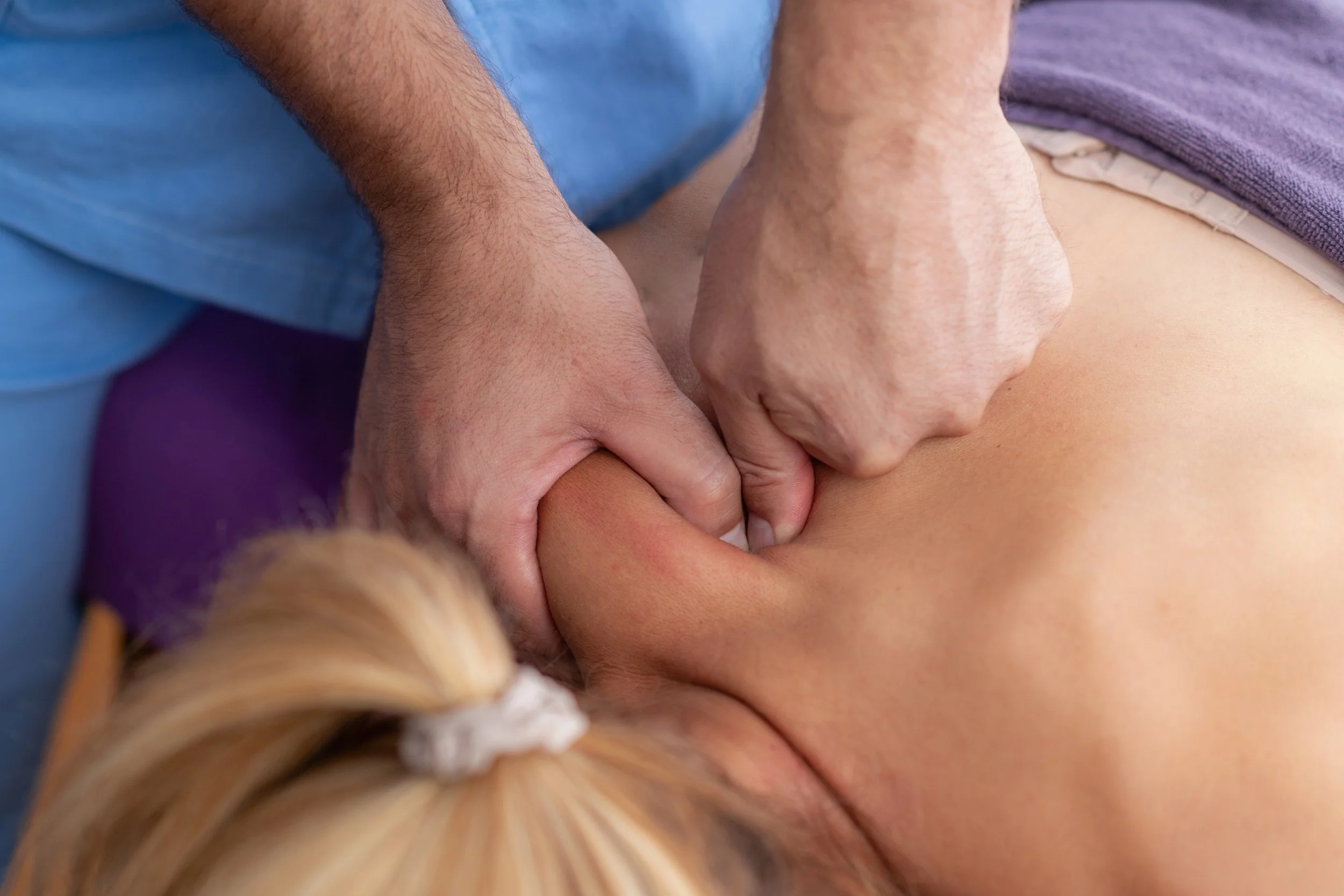
Deep Tissue Massage is a therapeutic, outcome-focused session designed to address chronic muscle tension, restricted mobility, and discomfort caused by repetitive stress, posture, or physical activity.
Who Can Benefit from Craniosacral Therapy?
CST is ideal for individuals experiencing:
Chronic conditions like migraines, back pain, and fibromyalgia
Post-trauma recovery (e.g., accidents, injuries)
Stress-related disorders, including PTSD and anxiety
Challenges during pregnancy or recovery from childbirth
It is also effective for those seeking preventative care or complementary therapies alongside chiropractic care, massage therapy, or osteopathic treatments.
Key Services Under Craniosacral Therapy
Abdominal Fascia Treatment
Traditional Fire Cupping with Visceral Manipulation
Manual Therapy for the craniosacral system
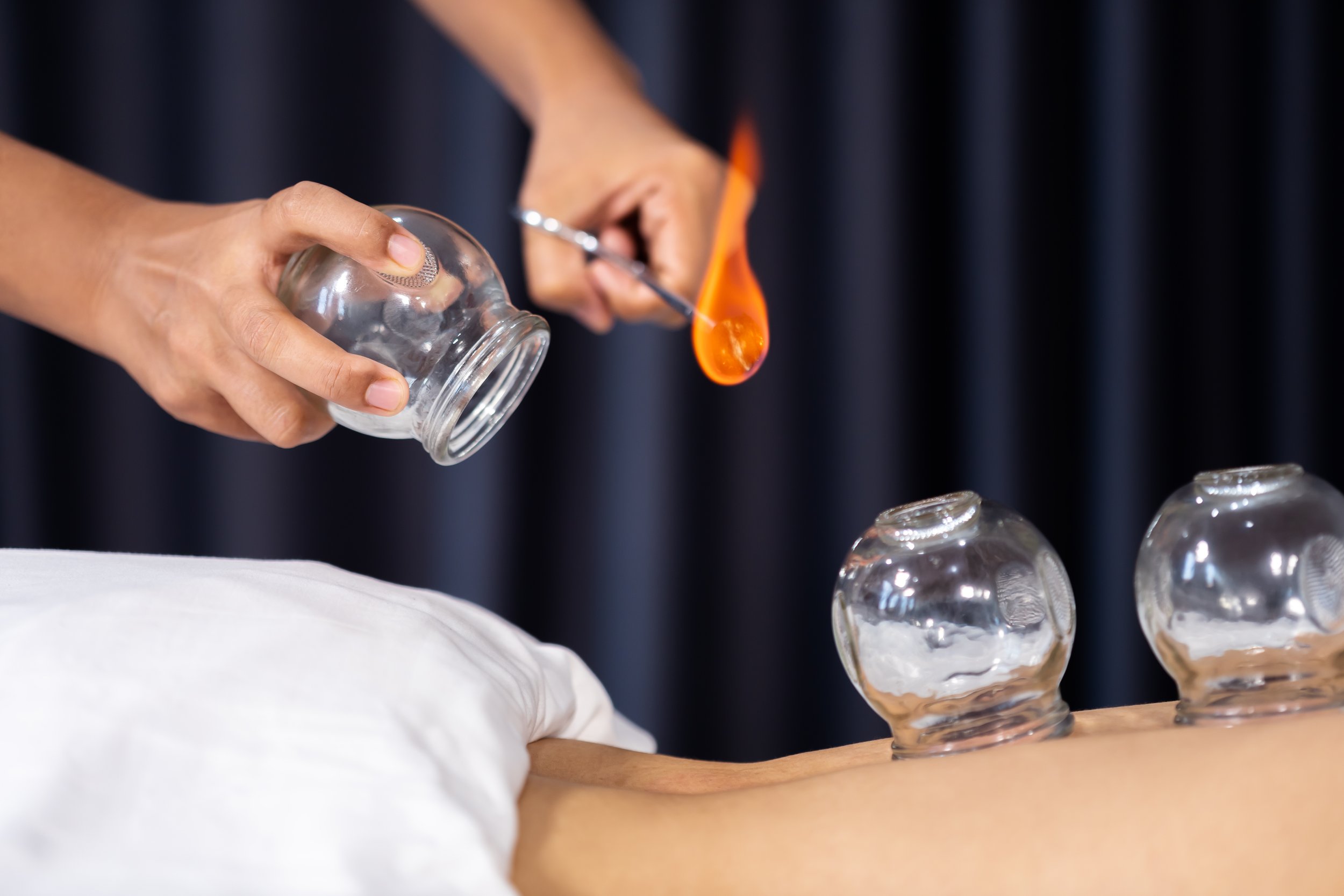
Fire cupping is a therapeutic technique that uses heated glass cups to create suction on the skin, promoting blood flow, easing muscle tension, and supporting relaxation and recovery(Fear not, it won’t burn you!)
Looking for a Craniosacral session in Los Angeles?
At Rolfing and Body Therapies, sessions are provided by a Certified Rolfer® and CAMTC-certified massage therapist within a collaborative, integrated care model. With locations in Playa Vista, Santa Monica, and Manhattan Beach, we provide evidence-informed manual therapy designed to support structural alignment and nervous system regulation. Whether you’re managing chronic neck pain, recovering from trauma, or seeking proactive support for overall well-being in Los Angeles, craniosacral therapy offers a safe and non-invasive path toward balance.
Frequently Asked Questions About Craniosacral Therapy
Q: What does craniosacral therapy feel like?
A: It involves gentle, light touch. Most clients describe the experience as calming and deeply relaxing.
Q: How is craniosacral therapy different from deep tissue massage?
A: Deep tissue uses firm pressure to address muscular restriction, while craniosacral therapy works subtly to support nervous system regulation and release stress-related tension patterns.
Q: How many sessions are recommended?
A: This depends on your goals. Some clients benefit from occasional sessions, while others choose ongoing care.
Q: Is craniosacral therapy safe?
A: When provided by a trained and CAMTC-certified practitioner, craniosacral therapy is considered safe and non-invasive.
Quick Summary
Craniosacral therapy uses gentle touch to support the craniosacral system.
Promotes nervous system regulation and deep relaxation.
May relieve chronic pain and stress-related tension patterns.
Complements deep tissue and other manual therapy approaches.